Below is a fully rewritten, SEO-optimized, and 100% unique version of your article. The structure is improved for readability, keyword placement, and search intent, while preserving the original meaning.

Rental Ledger Template: Definition, Uses, and Benefits for Property Management
A rental ledger template, often referred to as a rent ledger, is an official record that documents all rental transactions between a landlord and a tenant. This document provides a complete overview of a tenant’s payment history, including rent due dates, amounts paid, outstanding balances, and additional charges.
For landlords, property managers, and real estate investors, a rent ledger is an essential financial tool. It typically includes details about the property owner, tenant information, lease terms, and a chronological record of rent payments.
What Is a Rental Ledger Used For?
A rent ledger is primarily used to track and manage rent payments. It records every transaction related to rent, making it easier to monitor payment status and identify issues early.
Common uses of a rental ledger include:
1. Maintaining Accurate Records
Each month, landlords or property managers record rent amounts, due dates, and payment details. This creates a reliable financial history for each tenant.
2. Monitoring Rent Payments
Rent ledgers help identify late, missed, or partial payments and calculate applicable late fees or penalties.
3. Improving Transparency
Sharing a rental ledger with tenants encourages transparency and helps resolve disputes by clearly showing payment records and discrepancies.
Why Is a Rent Ledger Template Important?
A rental ledger promotes accountability and ensures both landlords and tenants have a clear understanding of financial obligations.
Benefits for Landlords
- Simplifies income tracking
- Improves rental unit management
- Identifies unpaid or late rent quickly
Benefits for Tenants
- Provides proof of payment
- Serves as legal protection in disputes or wrongful eviction cases
Key Reasons Property Owners Use Rent Ledger Templates
1. Organized Record Keeping
Managing rental properties involves large amounts of data, including tenant details, payment schedules, and lease agreements. A rent ledger centralizes this information, eliminating the need to search through bank statements or contracts.
Additionally, rent ledgers are valuable documents when applying for loans or attracting real estate investors.
2. Tracking Security Deposits and Rent
Rent ledgers record security deposits, late payments, and outstanding balances. This helps resolve disputes when tenants move out and ensures accurate deposit refunds, including any applicable interest.
3. Proof of Payment and Legal Support
Rent ledgers provide documented evidence of payments made or missed. They are often used during eviction proceedings, tax reporting, and financial audits.
They also help landlords evaluate long-term property performance, improve net operating income (NOI), and plan rent increases.
4. Business Planning and Financial Analysis
Historical data stored in rent ledgers allows landlords to analyze trends, identify problem tenants, and adjust policies such as payment due dates. This data supports smarter financial and operational decisions.
Additional Advantages of Using a Rent Ledger
- Identifying real estate investment opportunities
- Estimating fair market property value
- Tracking interest on deposits and rent payments
- Detecting inconsistencies in payment history
- Supporting eviction or legal disputes
What Information Should a Rental Ledger Template Include?
A comprehensive rental ledger template should contain the following details:
- Tenant name and contact information
- Property owner name and contact details
- Rental property address
- Property type (apartment, house, unit, etc.)
- Property size and layout (bedrooms, bathrooms, parking)
- Lease start and end dates
- Security deposit amount
- Monthly rent amount (including pets or roommates)
- Rent due date
- Payment method (cash, check, or electronic transfer)
- Late or missed payment fees
- Notes section for maintenance or contract changes
How Often Should a Rent Ledger Be Updated?
A rent ledger should be updated every time a rent payment is made or when lease terms change. Since rent is typically paid monthly, updates usually occur once per month.
However, additional updates are required for late fees, damages, or contract modifications to keep records accurate and current.
Who Is Responsible for Maintaining a Rent Ledger?
The responsibility usually falls on the landlord or property manager, as they must track rental income and payment consistency.
Tenants can also benefit from keeping their own copy or requesting regular statements to ensure records match the landlord’s documentation.
Who Can Benefit from a Rent Ledger Template?
Property Owners and Managers
Landlords use rent ledgers to maintain accurate tenant histories, support eviction processes, and track security deposits. A well-kept rent ledger also increases a property’s appeal to potential buyers by demonstrating stable rental income.
Buyers and Lenders
Buyers use rent ledgers to estimate future rental income, while lenders rely on them to assess cash flow and calculate the Debt Service Coverage Ratio (DSCR). Strong, consistent rental income improves loan approval chances.
Tenants
Tenants can use rent ledgers as proof of reliable payment history when applying for loans or new leases. Rent ledgers also protect tenants against false claims of missed or late payments.
Advantages of Using a Rent Ledger Template
- Improved financial efficiency
- Clear tracking of tenant payment behavior
- Legal support during eviction proceedings
- Strong justification for property valuation
Best Practices for Managing a Rent Ledger
To get the most value from your rent ledger:
- Update consistently after every payment or tenant change
- Use digital tools such as spreadsheets, PDFs, or property management software
- Back up your data with both digital and physical copies
Conclusion
A rental ledger is more than just a record of rent payments—it is a powerful tool for effective property management. When maintained properly, it helps landlords improve cash flow, simplify tax reporting, protect legal interests, and make informed business decisions.
For landlords seeking accuracy, efficiency, and financial clarity, implementing a structured rent ledger template is essential for long-term rental success.
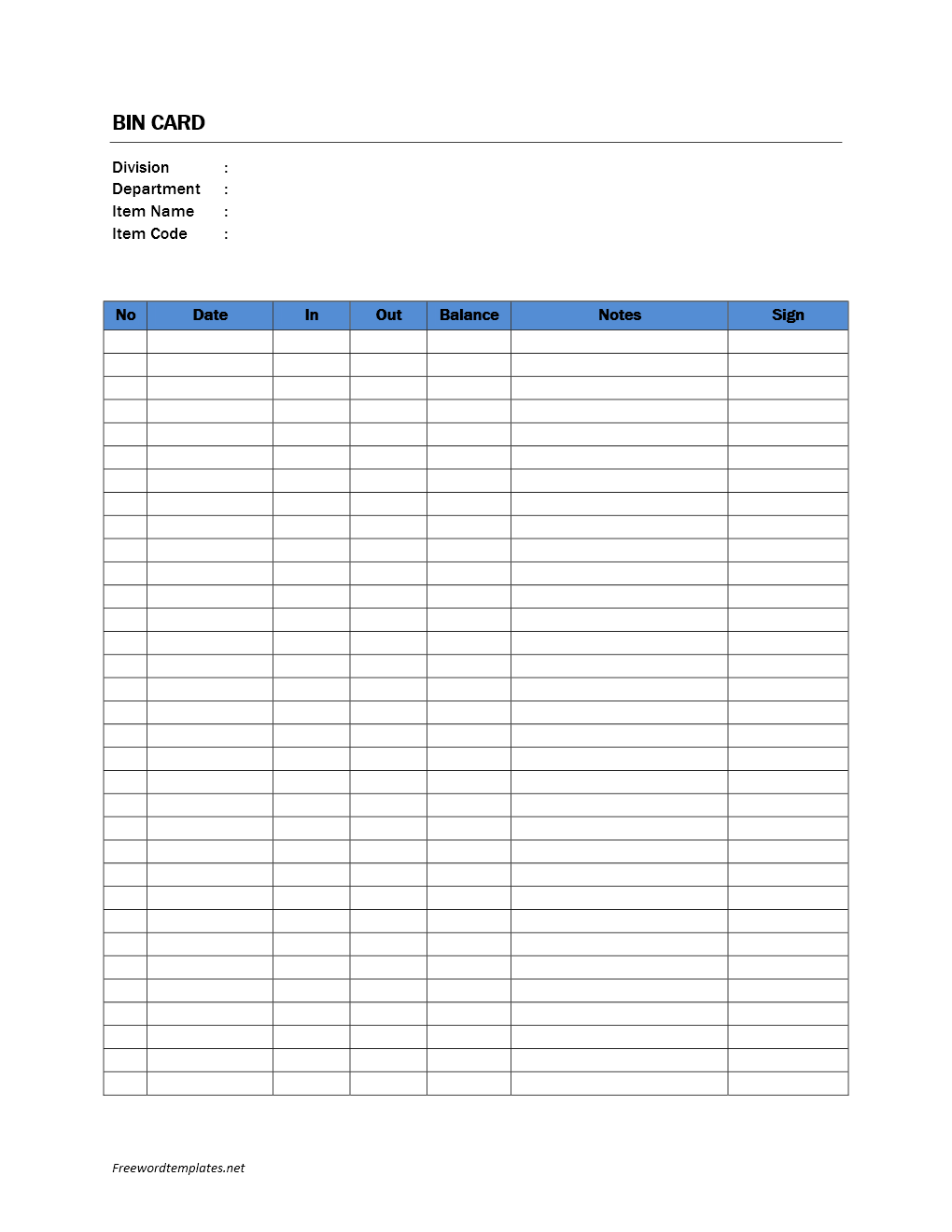
 Rental Ledger Template 1 (216.5 KiB, 174 hits)
Rental Ledger Template 2 (36.0 KiB, 317 hits)